
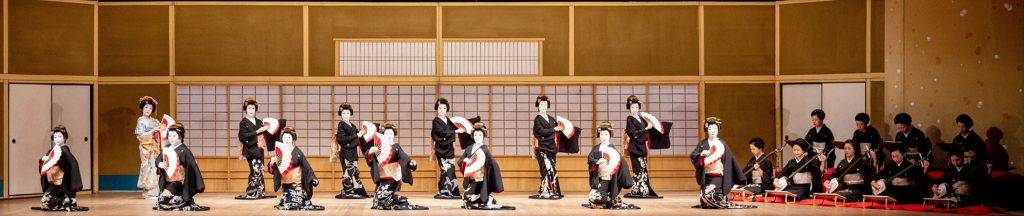
Graceful Geisha Experience in Asakusa
Geisha are cherished as symbols of Japan's rich cultural heritage, and embody the elegance of traditional Japanese art. Their origins date back to the 17th-century Edo period, when they began captivating audiences through refined performances of music, dance, and entertainment. According to one theory, the Geisha tradition originated with women working in Kyoto teahouses. Influenced by Kabuki theater, these women mastered the Shamisen and dance, creating unique performances to entertain people The history of Geisha is deeply intertwined with Japan’s cultural and artistic evolution, showcasing their enduring significance beyond mere entertainment.
Geisha’s Allure and Cultural Role
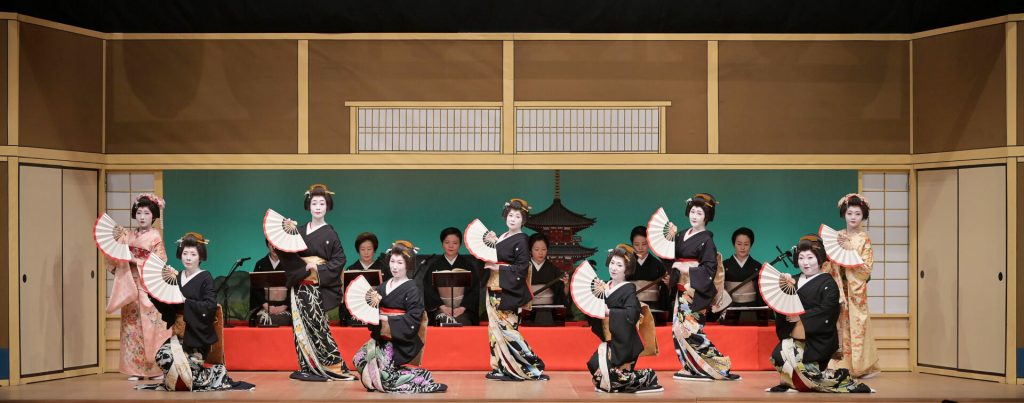
The allure of Geisha extends far beyond their captivating performances. They serve as cultural ambassadors, embodying the refined beauty and sophistication of Japanese tradition. Their exquisite kimono, graceful movements, and immaculate presentation encapsulate centuries of cultural history and artistry. Geisha also plays a vital role in preserving and passing down traditional arts. The traditional songs and dances performed by geisha represent the pinnacle of classical Japanese art, preserving cultural heritage passed down through generations. During the golden age of the late 18th and early 19th centuries, geisha transcended their roles as mere entertainers through shamisen music and dance, becoming guardians of traditional Japanese culture. In the Meiji era, geisha became indispensable figures in high society, adding an artistic touch to political and business gatherings. Their art was recognized as a cultural asset, and by the 1860s, the word “Geisha” had gained international recognition, symbolizing the unique elegance of Japanese tradition.
The difference in the name of Geisha in Kyoto and Tokyo
Geisha culture, which developed in various parts of Japan, has its own regional characteristics. In Kyoto, apprentice geisha are known as “Maiko,” who, after rigorous training, graduate to become “Geiko.” In Tokyo, apprentices are referred to as “Hangyoku” before attaining the title of “Geisha.” These distinctions highlight the diversity of traditions and the richness of the geisha legacy in different regions.
Hokan - male Geisha
A Hokan is a traditional comedian, who entertains the host and guests at drinking parties by performing arts,In the 1930s, there were nearly 470 Hokan in Japan, but now there are only six. And only Asakusa has Hokan.
Experience this rare and wonderful traditional performing art and enjoy the best performance between Hokan and Geisha in Asakusa.

Experience a special moment with Geisha
Asakusa is a traditional and captivating district in Tokyo that retains the rich atmosphere of the Edo period. In this historic and culturally vibrant area, why not immerse yourself in the essence of Japanese culture through a Geisha experience? The Geisha of Asakusa, who are a rare sight today, will provide you with a truly special moment with their elegance and warm hospitality. This experience promises to create unforgettable memories of your time in Japan and leave you longing to return. Take the time to fully enjoy the beauty of Asakusa’s streets and the charm of Geisha culture.
Enjoy Geisha show?
Learn more and booking